I turn data and complex ideas into usable software.
My work brings together software, maps and interactive experiences. I set the direction, make product decisions and work with Codex to develop and refine the result.
Selected projects.
Cooperative game / Handshake
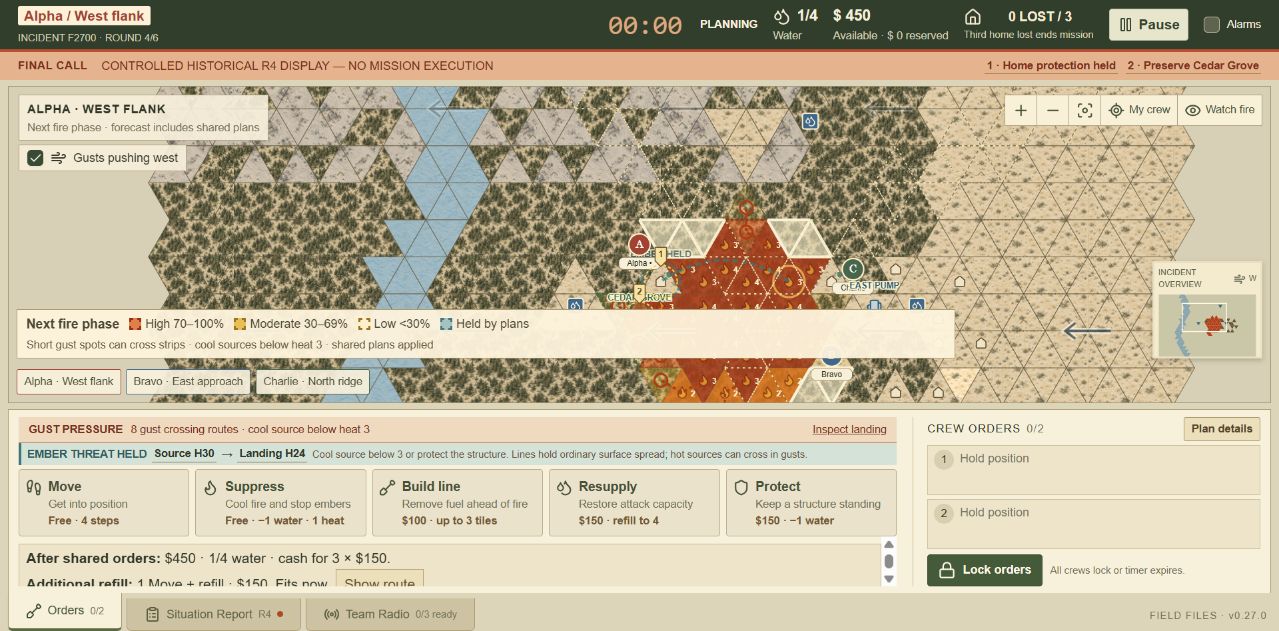
Wildfire Response
A cooperative browser game about protecting a community with limited resources. I shaped the product direction and used my first playtest to refine the map, controls and consequences.
Mean positive lead contribution · points per game · regulation only. Descriptive means, not confidence intervals. Purdue’s games are included in the season; the above/below orientations differ, not a team-strength comparison.
Environmental GIS / ASM540 term project
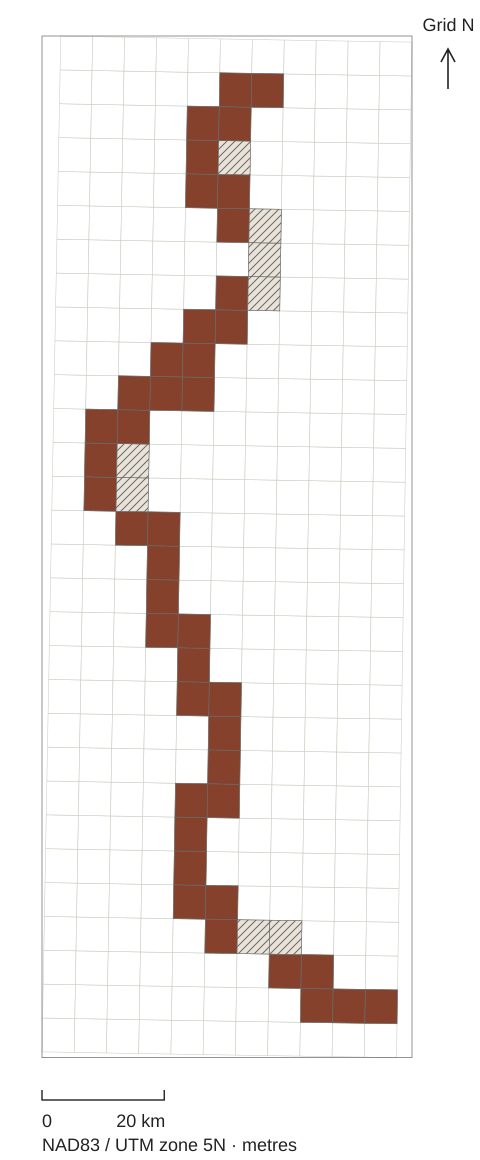
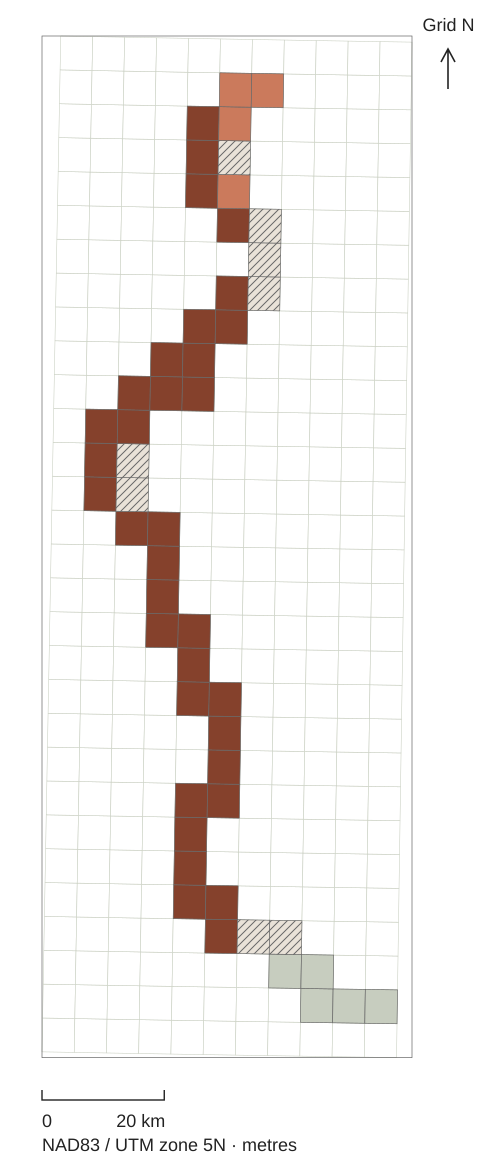
Heat exposure across West Hawaiʻi reefs.
I framed an environmental question and worked through GIS choices to compare satellite heat exposure over historical reef habitat. The saved comparison challenged my starting hypothesis.
Saved data-only redraws · annual peak satellite heat exposure over historical habitat—not observed reef condition. Read the full maps and NOAA source credits in the case study.
Satellite data / editable ArcGIS atlas
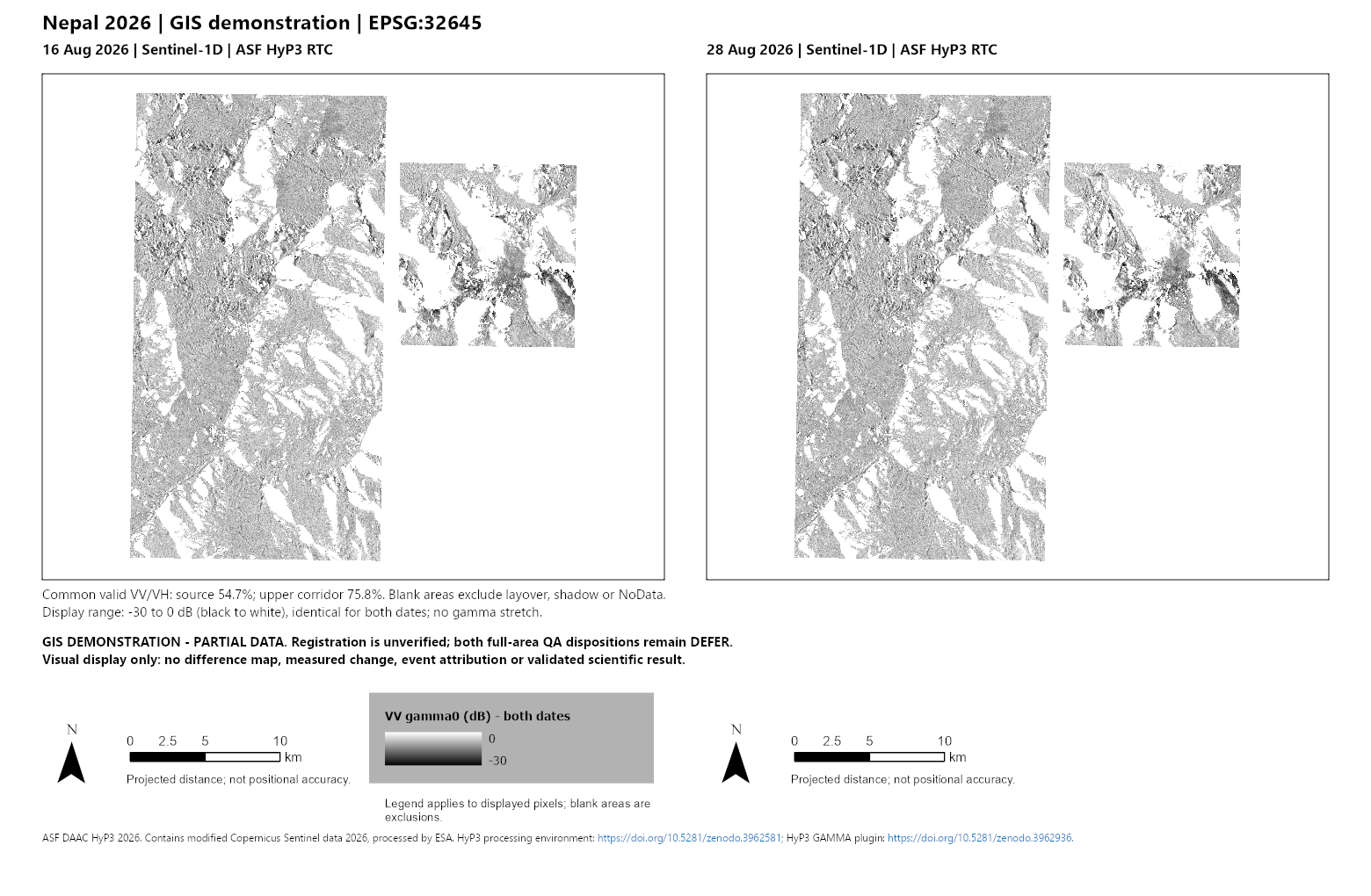
Nepal Satellite Atlas
I defined an ArcGIS atlas I could open, compare and export, then guided its maps and browser presentation.
Unregistered visual experiment—not a mapped landslide result. ASF DAAC HyP3 2026. Contains modified Copernicus Sentinel data 2026, processed by ESA.
Flagship 01 / experimental research portfolio
BurnLens
Making a research release readable.
I set the audience and public story for an experimental computer-vision and geospatial project, then owned the publication decisions.
Public v0.56.0 research portfolio release
Release details
BurnLens reached a public, complete Phase Six portfolio release: v0.56.0-baseline-first-portfolio-release at commit e2e0b778; the later evidence snapshot is a741111d, four commits after the release.
My role
Drew set the portfolio thesis, target audience, use boundaries, owner stop conditions, and publication direction, and owned the human decisions; Codex was assigned technical, product, and reliability direction within that owner-defined envelope.
Result
BurnLens reached a public, complete Phase Six portfolio release: v0.56.0-baseline-first-portfolio-release at commit e2e0b778; the later evidence snapshot is a741111d, four commits after the release.
Limit
BurnLens is experimental portfolio evidence, not official wildfire information, emergency guidance, or operational decision support.
Two rails meet at an explicit authority break; model output never becomes permission.
Swipe or scroll to explore. Each project opens into its full story. Browse all work →
On my workbench
Follow the work.
A selected, dated view of five projects: what is recorded, what is taking shape and what is still open. Checklist counts describe listed tasks, not effort or whole-project completion.
I shape the question, decide what the result needs to do and refine it through use. Codex assists with research, implementation and testing; my contribution is direction, product decisions and review.
Direction + development
Drew / Direction and decisions
Choose the problem, set the audience, critique the experience and own decisions about what to share.
Codex / Development assistance
Help research, build and test the work within the direction I set. The case studies describe that collaboration rather than imply sole manual implementation.